
Meet the newest Board Member - Anthony Davi!
By Emily Hess, August 3, 2026
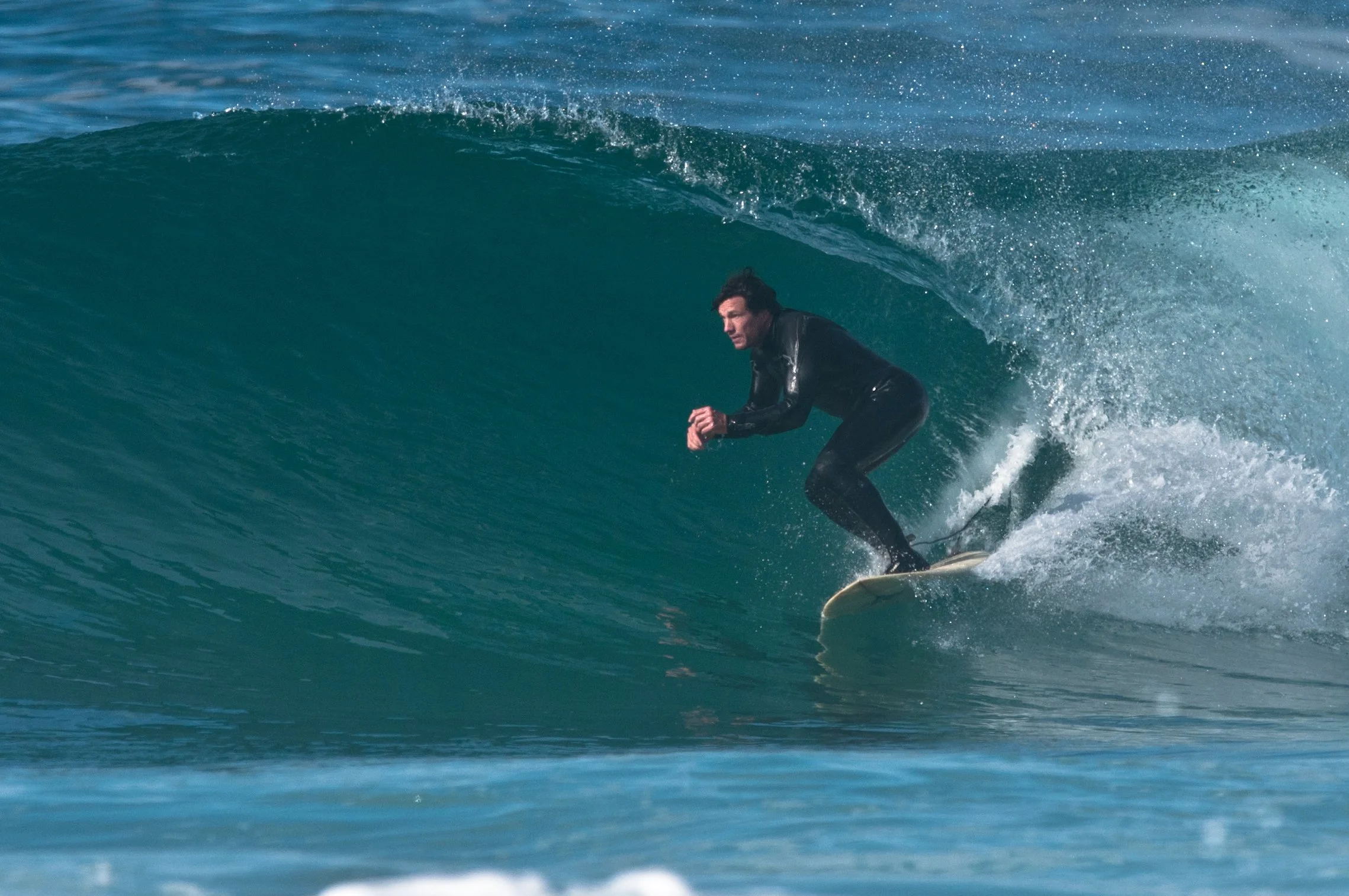
Long before Anthony Davi became an attorney helping people shape the future of California's Central Coast, he learned some of life's most important lessons on the water.
Growing up in Monterey, Anthony's childhood revolved around fishing, surfing, and the close-knit Italian fishing community that has long defined the city's waterfront. Summers and fishing trips stretched from Monterey Bay to Alaska, while days spent running cross country, surfing Carmel Beach, and learning to fish instilled a lifelong appreciation for the ocean and the people whose livelihoods depend on it. Those early experiences didn't just shape his love for the coast—they shaped his sense of responsibility to care for it.
Fishing is woven deeply into Anthony's family history. His grandfather, Antonino "Nino" Davi, owned the purse seiner New Roma, and his father worked aboard the vessel before it tragically sank in Monterey Bay in 1970. Although Anthony was only two years old at the time, stories of the New Roma, the resilience of its crew, and generations of Monterey fishermen became part of his family's identity, reinforcing both the challenges and the pride that come with life on the water.
That connection to fishing never faded. Anthony went on to fish commercially himself, while pursuing a career in law that combined creativity, analytical thinking, and problem-solving. Today, he works with clients throughout the Central Coast to purchase, develop, and improve real estate property, guiding projects from initial planning through construction. Whether helping someone navigate a complex development or finding creative solutions to difficult challenges, he says the most rewarding part of his work is helping people turn ideas into reality.
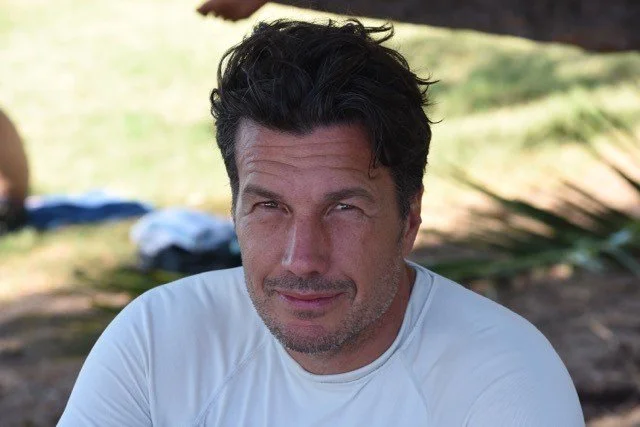
When asked why he joined the Board of Directors, Anthony's answer is characteristically humble: he hopes there is "some uniquely useful contribution" he can make. His experience as both a lawyer and a former commercial fisherman, combined with his family's long history in the fishing industry, gives him a perspective that bridges tradition with the challenges facing today's fishing community.
Anthony is especially passionate about ensuring that Monterey Bay continues to support thriving commercial fisheries. To him, a resilient fishing community includes both full-time and part-time fishermen, local seafood processing operations, and a diverse mix of fisheries that can allow fishermen to adapt to changing conditions. While limited access, market dynamics, and infrastructure needs remain significant challenges, he sees tremendous opportunity in California consumers' growing appreciation for locally caught seafood and believes stronger connections between fishermen and their communities can help sustain both the industry and local culture.
Outside of work, Anthony can often be found training for triathlons, surfing, skiing, coaching high school cross country, cooking, or painting. Ask him about his favorite seafood and he'll quickly answer "saba nigiri," (mackerel sushi), but perhaps nothing captures his lifelong relationship with seafood quite like this story: During a nutrition survey he took in high school, Anthony answered that his family ate meat for dinner seven nights a week—only to discover the researchers hadn't considered fish to be "meat." For the Davi family, fish wasn't something separate from everyday life; it simply was dinner.
As Anthony joins the MBFT Board, he looks forward to listening first—connecting with local commercial fishermen, understanding the realities they face, and helping identify practical ways the Trust can support a more economically viable future for Monterey Bay's fishing community. It's a future rooted in the same values that shaped him from the beginning: hard work, stewardship, community, and a deep respect for the people who make their living from the sea.
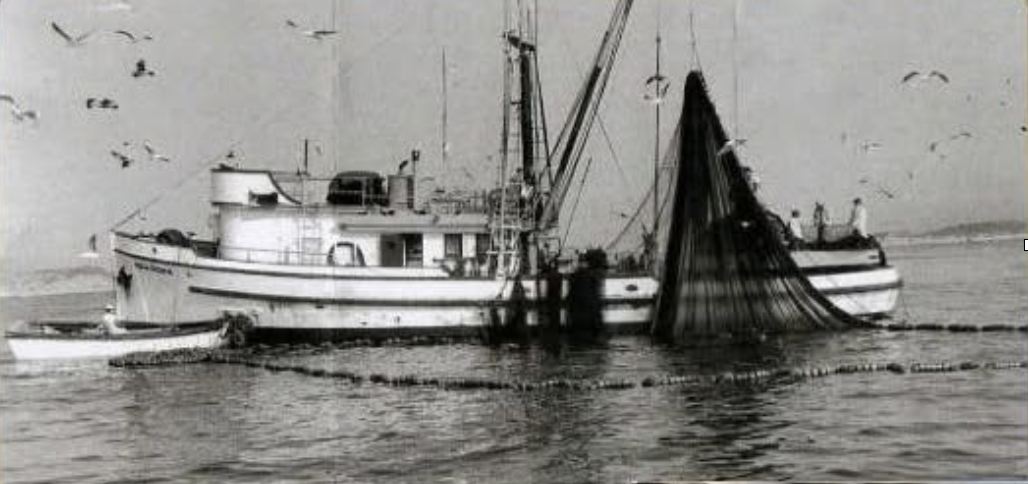
Anthony’s grandfather, Antonino (Neno or Nino) Davi, owned and operated the purse seiner New Roma in Moss Landing until is sank in the Monterey Bay in 1970