September 2026 - Director's Corner
By Melissa Mahoney, September 8, 2026
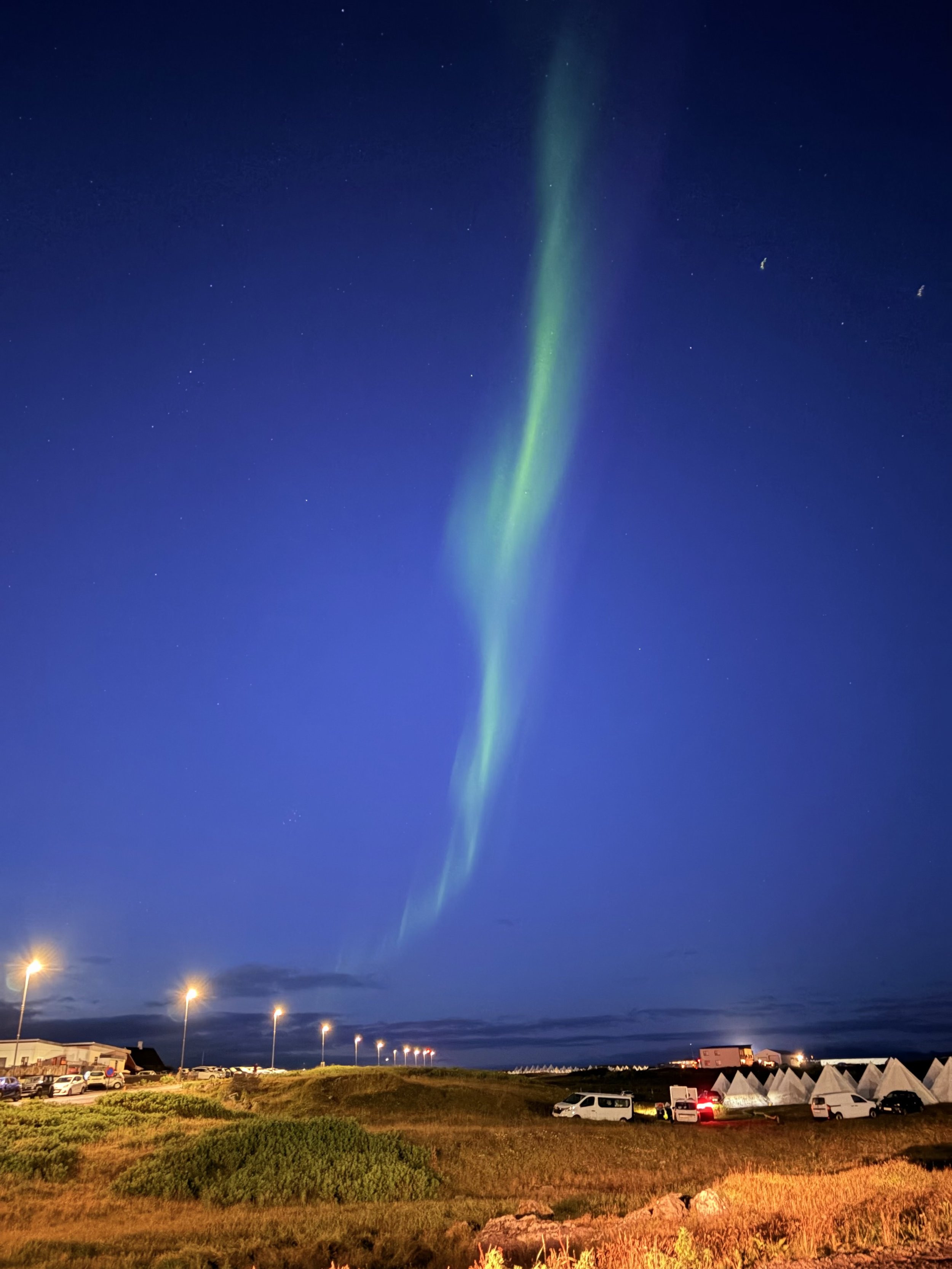
This August, I had the remarkable opportunity to travel to Iceland and immerse myself in its breathtaking natural wonders. Alongside friends, I stood at the base of the Snaeffelsness glacier in the country’s northeastern reaches to witness the total solar eclipse—a truly awe-inspiring event. From the thunderous waterfalls and seemingly endless sunsets to the dramatic landscapes, hydrothermal pools, and mystical rock formations, the journey was nothing short of extraordinary. To crown the experience, we were even gifted a rare, early-season glimpse of the northern lights on our final evening.
No matter where my travels take me, I never miss a chance to explore the local seafood culture, meet fisherpeople, and learn their ways. Iceland offered a fascinating window into a heritage deeply intertwined with the ocean.
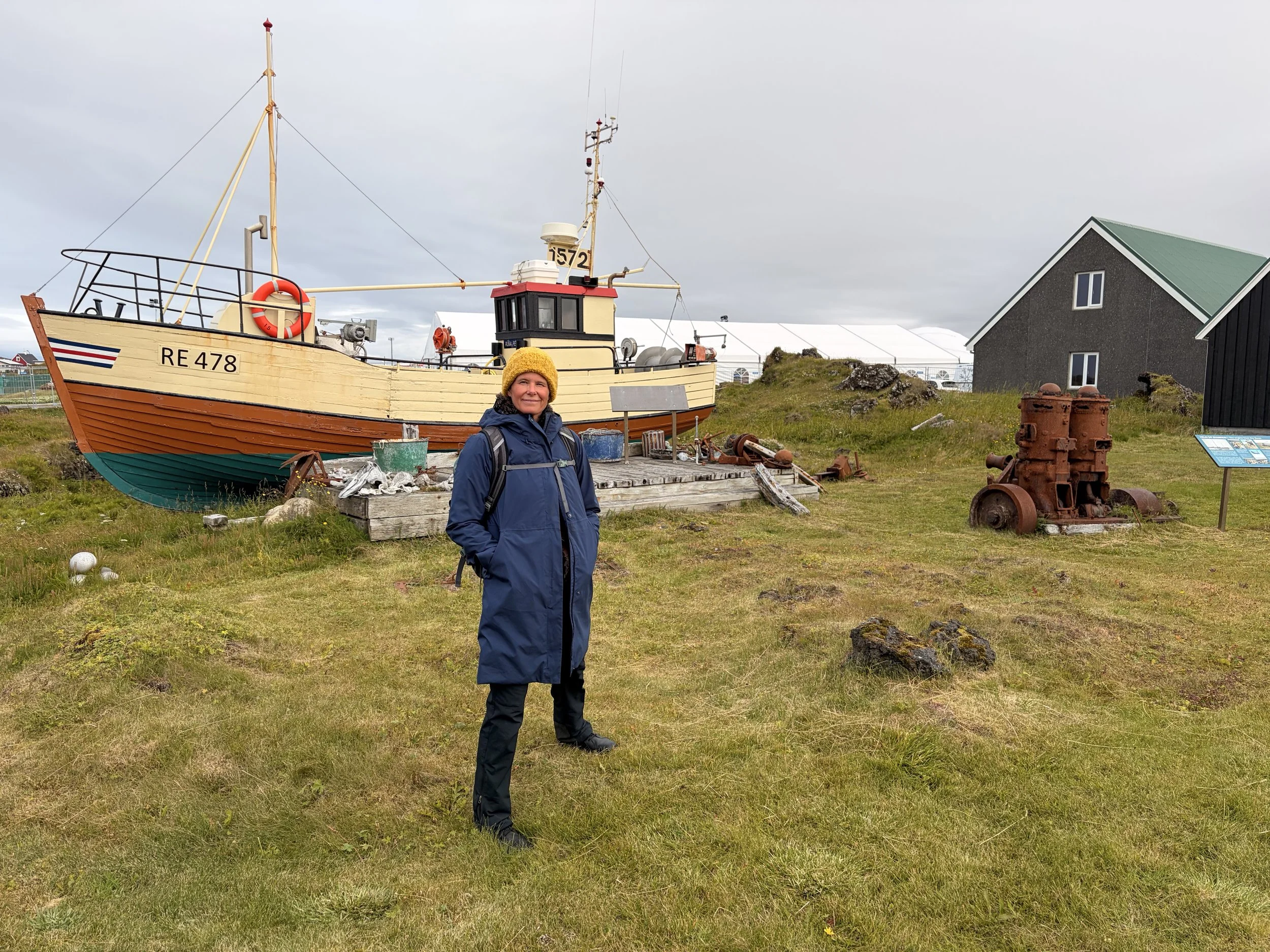
As an island nation, Iceland’s connection to the sea is foundational, with communities have relied on its bounty since time immemorial. In the village of Hellandisur, near our base, this maritime identity was everywhere—from the local museum to the art and infrastructure along the waterfront. Iceland also boasts a robust industrial sector centered on Icelandic cod, and I was eager to learn more about a movement they sparked 15 years ago to revolutionize how they optimized the limited quotas and maximized the value of their catch.
In Reykjavik, we were fortunate to meet with Alexandra Leeper, CEO of the Iceland Ocean Cluster House, and tour their facilities. Founded by Thor Sigfusson—author of The New Fish Wave and 100% Fish—the Ocean Cluster is a thriving business incubator located on the docks.
Sigfusson drew inspiration from the ancient Icelandic concept of Nytin (a term describing someone who utilizes resources to their fullest) to challenge the industry to improve fish utilization and value by leveraging Iceland’s technological expertise (a transformation chronicled by Nicolas P. Sullivan in The Blue Revolution). Today, the cluster supports over 90 businesses producing everything from cosmetics and pet treats to fish leather and gourmet foods—all derived from sustainably harvested cod. It is a powerful example of how the fishing industry and business leaders can collaborate to optimize every catch and strengthen the economy.
I can’t help but wonder: what might a model like this look like for Monterey Bay? Can we create additional products from our fish waste? Some are making fertilizer and pet food, and using carcasses for crab bait. But what else is possible when we collaborate with other industries and get even more creative? I look forward to finding out more as we engage with fishermen this fall as part of the Future of Blue Initiative. Ideas? Interest? Please feel free to reach out!